The seat, without
the headcount.
Most companies do not need a full-time AI executive yet. They need one person, senior enough to be listened to, who owns the AI decisions two days a week and is accountable for what happens next. That's the job, whatever your org chart decides to call it.
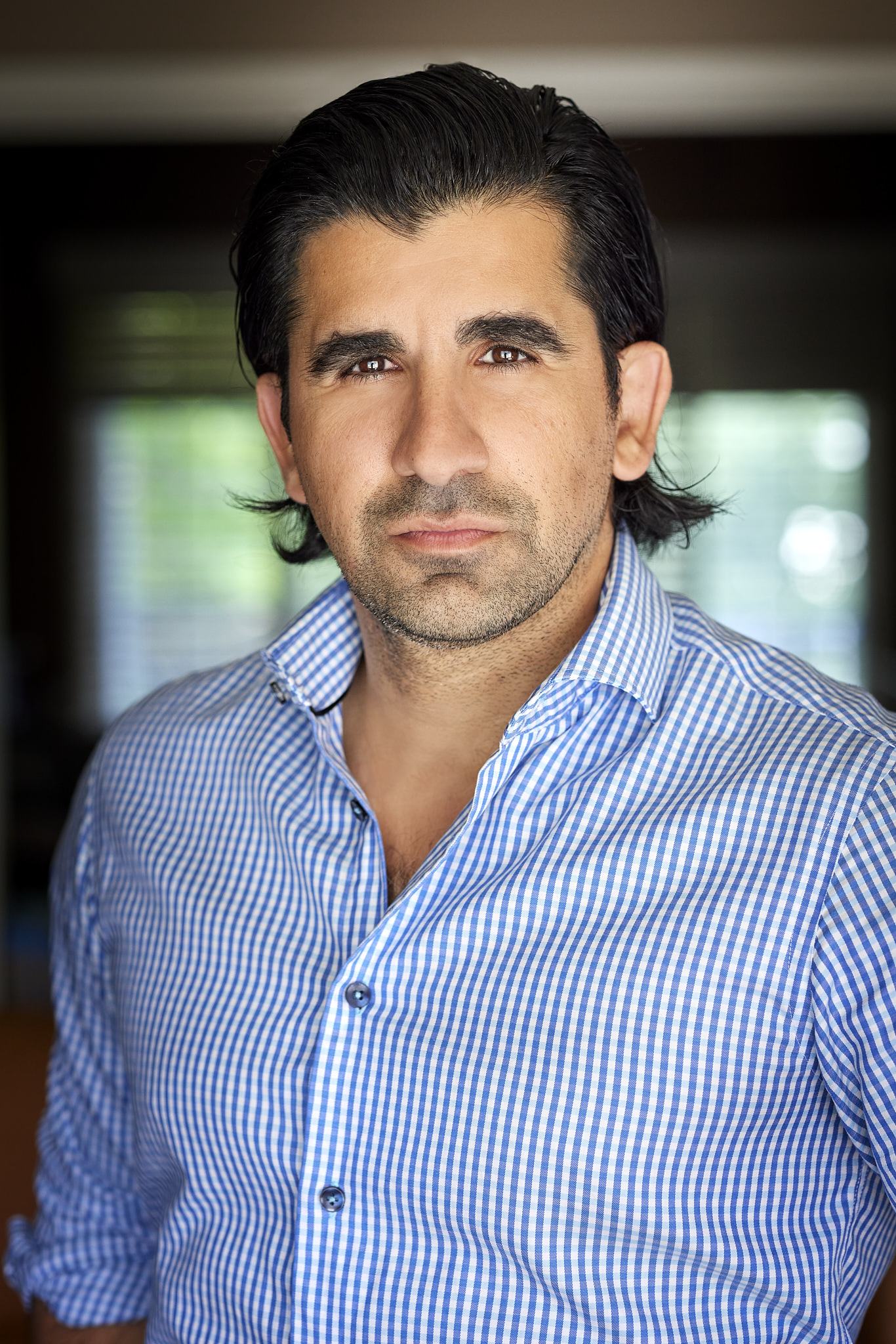
Same job. Different title.
A fractional Head of AI is an experienced executive who owns a company's AI agenda part-time: the strategy, the use-case portfolio, the governance, the build, and the answer when the board asks what any of it has produced. It's the same seat I fill as a fractional Chief AI Officer. Which title goes on it depends on your org chart. Companies with a C-suite of four tend to say Head of AI; companies where the seat reports to the CEO and sits beside the CTO tend to say CAIO.
The title matters less than one structural question: does the person have decision rights, or only opinions? An AI executive advisor who can be overruled by whoever shouts loudest in the quarterly review will not change how your company operates. I take the seat with the authority attached, or I don't take it. That's the difference between AI leadership consulting and actual leadership, and it's the reason these engagements produce something.
Two days a week is the usual shape. It's enough to run the portfolio, chair the review, make the architecture and vendor calls, and stay hands-on in the build. Companies across the United States and Canada hire it this way because the alternative, a $300,000 search that takes five months, is a poor fit for a decision they need made this quarter.
Also known as: fractional AI leader, part-time AI leader, AI leadership consultant, AI executive advisor, interim Head of AI, VP of AI on retainer, fractional CAIO.
AI is everybody's job,
which means it's nobody's.
Four arrangements I find in companies that have not named an owner.
It landed on the CTO
Who already has a roadmap, a hiring plan and an on-call rotation, and treats AI as the eleventh priority because it is.
A committee owns it
Six people meet monthly, agree that alignment is important, and no decision survives contact with a departmental budget.
An enthusiastic manager owns it
Genuinely capable, genuinely motivated, and three levels below the people whose processes would have to change.
A consultant owned it and left
There's a deck. It was good. Nothing in it has an owner now, and the recommendations have started to go stale.
Six things the seat
owns outright.
Written into the engagement, so the authority question is settled in week one rather than in month four.
The portfolio
Which use cases are live, which are queued, and which were killed. One list, reviewed on a cadence, with a business case behind each line.
Architecture & vendors
Build-vs-buy, model choice, contract terms. The decisions that are expensive to reverse get made once, by someone accountable.
Governance
What agents may do, what data may go where, and who signs off. Light enough that people comply with it.
Delivery
Hands-on leadership of the build, in your codebase and your stand-ups. This is not an advisory seat.
Capability
Upskilling the team that exists and hiring the ones it needs, so the capability outlasts the engagement.
The board narrative
A straight account of what was built, what it cost, what it returned, and what got killed. Including the parts that went badly.
An advisor on retainer
vs. a fractional leader.
Both are part-time and senior. Only one of them can make a decision stick.
Opinions, monthly
- , Recommends; someone else decides whether to act
- , No standing in the operating cadence of the company
- , Never in the codebase, so the advice drifts from reality
- , Leaves nothing behind but documents
Decision rights, weekly
- →Owns the portfolio and the calls that come with it
- →Chairs the review and reports to the board directly
- →Hands-on in delivery, so the plan stays honest
- →Leaves a capable team and a named successor
A track record, not a pitch.
Twenty-five years, most of them in the seat rather than beside it.
If the AI owner can be overruled by whoever is loudest in the quarterly review, you haven't filled the seat. You've added a meeting.
What it costs, published.
A full-time Head of AI in the US runs $220K to $450K in base salary before equity, and the search takes months. The fractional seat starts the week we agree scope. All prices USD.
The AI Diagnostic
Where AI pays, what's already running, what your data supports, and a sequenced plan. Most engagements start here.
AI Advisory
Senior judgment on the expensive decisions, for teams that can already execute.
Fractional Head of AI
The full seat: portfolio, governance, architecture and hands-on delivery, with decision rights attached.
Interim / Embedded
Near-full-time, for a stalled program, live risk exposure, or a permanent hire that hasn't landed.
Same seat, same rates as the fractional Chief AI Officer engagement. Deciding between fractional, interim and a full-time hire? The comparison guide lays out all three. Email me ↗
About the fractional seat.
What is a fractional Head of AI?
A fractional Head of AI is an experienced executive who owns a company's AI agenda part-time, typically two days a week. The mandate covers the use-case portfolio, architecture and vendor decisions, governance, hands-on delivery leadership, and reporting to the board. It's the same seat as a fractional Chief AI Officer under a different title, and companies choose between the two names based on how their existing org chart reads.
What's the difference between a Head of AI and a Chief AI Officer?
Scope and reporting line, mostly. A Chief AI Officer usually reports to the CEO, sits at the executive table, and carries company-wide authority including governance and board reporting. A Head of AI often reports into the CTO or COO with a narrower remit focused on delivery. At mid-market scale the two jobs are the same work, and I'd rather agree the decision rights than debate the title.
When should we hire fractionally instead of full-time?
Hire fractionally when the decisions are urgent but the workload is not yet a full week, when you're unsure what the permanent role should even look like, or when a full-time search would take five months you don't have. Hire full-time when AI is central to the product rather than to operations, when the team you'd manage is already substantial, or when the role needs someone in the building every day. Plenty of companies do both in sequence, and I've run the search for my own replacement more than once.
Is an AI leadership consultant the same thing?
Usually not, and the distinction is worth insisting on. A consultant advises and someone else decides. A fractional leader holds the decision rights, chairs the review, and is accountable for the outcome. If the arrangement leaves you with recommendations that a department head can quietly ignore, you have bought advice rather than leadership, and advice is not what an unfilled seat needs.
How long do these engagements run?
Six to eighteen months is typical. The first quarter establishes the portfolio, the governance and usually one thing shipped. After that the work shifts toward capability: upskilling your team, hiring where you need permanent muscle, and reducing how much depends on me. Every engagement is scoped with an exit in mind, whether that's your team taking it over or a permanent hire I help you make.
What does a part-time AI leader cost compared to a full-time hire?
A full-time Head of AI in the US market runs roughly $220,000 to $450,000 in base salary before bonus and equity, plus the search cost and the months it takes. The fractional seat is $18,000 a month at about two days a week, with no search, no equity and a thirty-day exit. The tradeoff is bandwidth: two days a week is enough to own the agenda and stay hands-on, and it is not enough to manage a department of twenty.
Related paths.
Who owns AI
at your company?
If the honest answer is a committee, or a CTO who already has a full job, that's the conversation. Tell me how it's arranged today.